
Hi
Name
You are...
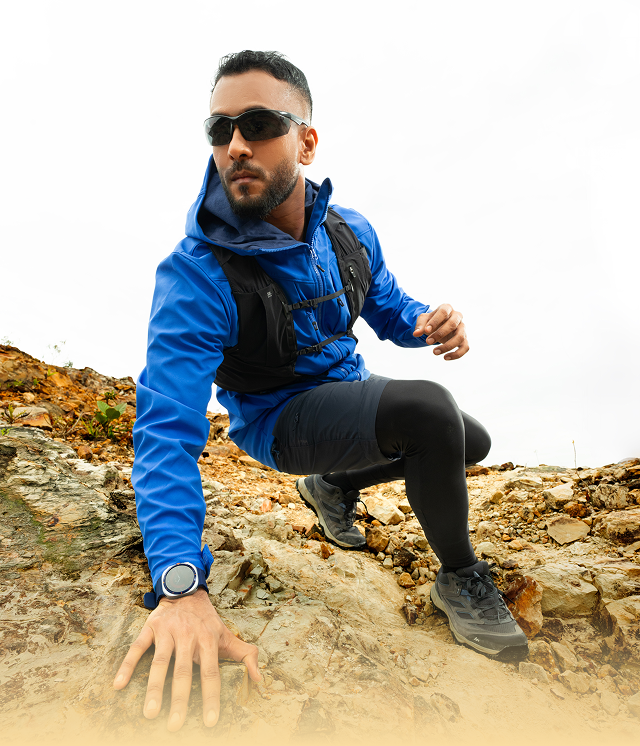
The Bold Adventurer!
You’re full of energy, love challenges, and live life at full speed. You push limits and embrace experiences that others avoid. Your personality thrives on intensity and exploration.

& the best GalaxyWatch for you is...
Galaxy Watch Ultra
Galaxy AI
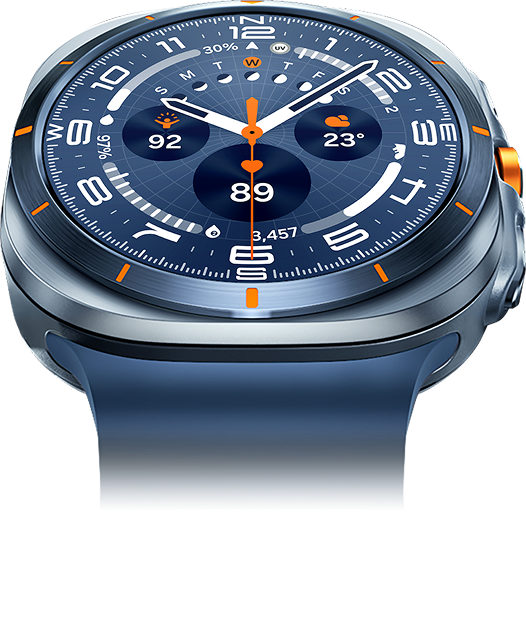
How Galaxy Watch Ultra Powers Your Efficiency
Easily track your exercise even in the water with Water Lock mode.1
Don’t let frosty temperatures or high heat conditions hold you back, from -20°C to 55°C.2
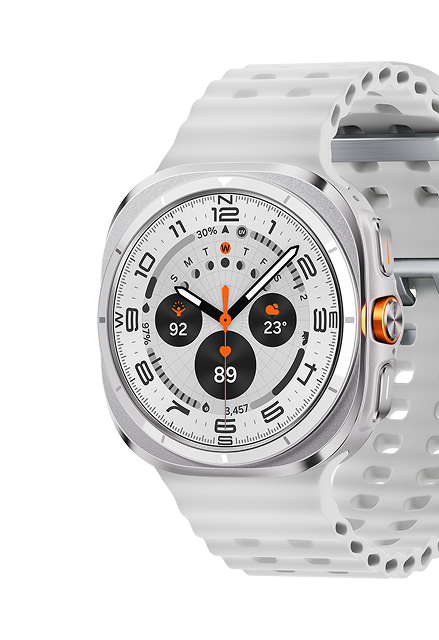
Adapt to the outdoors with a screen brightness of up to 3000 nits for a clear display wherever you are.3
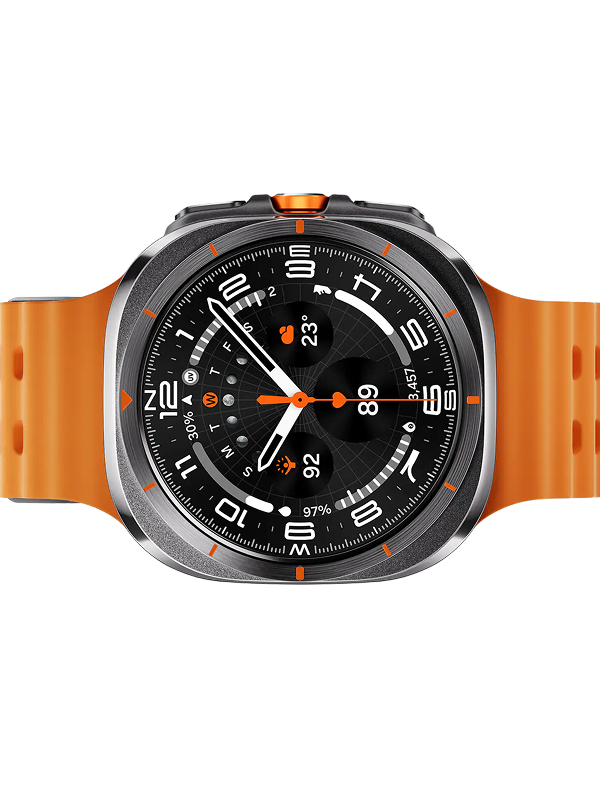
Powered by:

Psst! We’ve also sent you a copy on email so you can come back to this later.
Disclaimer:
- Galaxy Watch Ultra is water resistant for 10 minutes in water with a depth of 100 meters according to the ISO22810 standard. The test was conducted in 5% salty water and 4 ppm chlorine water. Galaxy Watch Ultra is water resistant with an IP68 rating based on the lab test conditions for submersion in up to 1.5 meters fresh water for up to 30 minutes. It is not suitable for high-pressure water activities and diving. It may be used for shallow-water activities like swimming in a pool or ocean. Water resistance is not a permanent condition and can diminish over time. Refer to the user manual for further information, including care/use instructions.
- Galaxy Watch Ultra withstands temperatures ranging from −20°C to 55°C while being worn on the wrist, based on results from internal lab tests conducted by Samsung. Actual performance may vary depending on the environment where it is used. In very high or low temperatures, charging may be blocked, certain functions may be automatically terminated or unavailable, or the watch may shut down automatically for safety. Additionally, battery performance can be adversely affected at low temperatures.
- Galaxy Watch Ultra has been tested under MIL-STD-810H standard: High/Low temperature, Altitude, Humidity, Immersion, Salt Fog, Dust, Vibration, Drop, etc. MIL-STD-810H is a standardized form of testing designed by the US Military to accurately assess device limitations. Real world usage may vary by specific environmental conditions used in the testing. Extreme conditions not guaranteed.